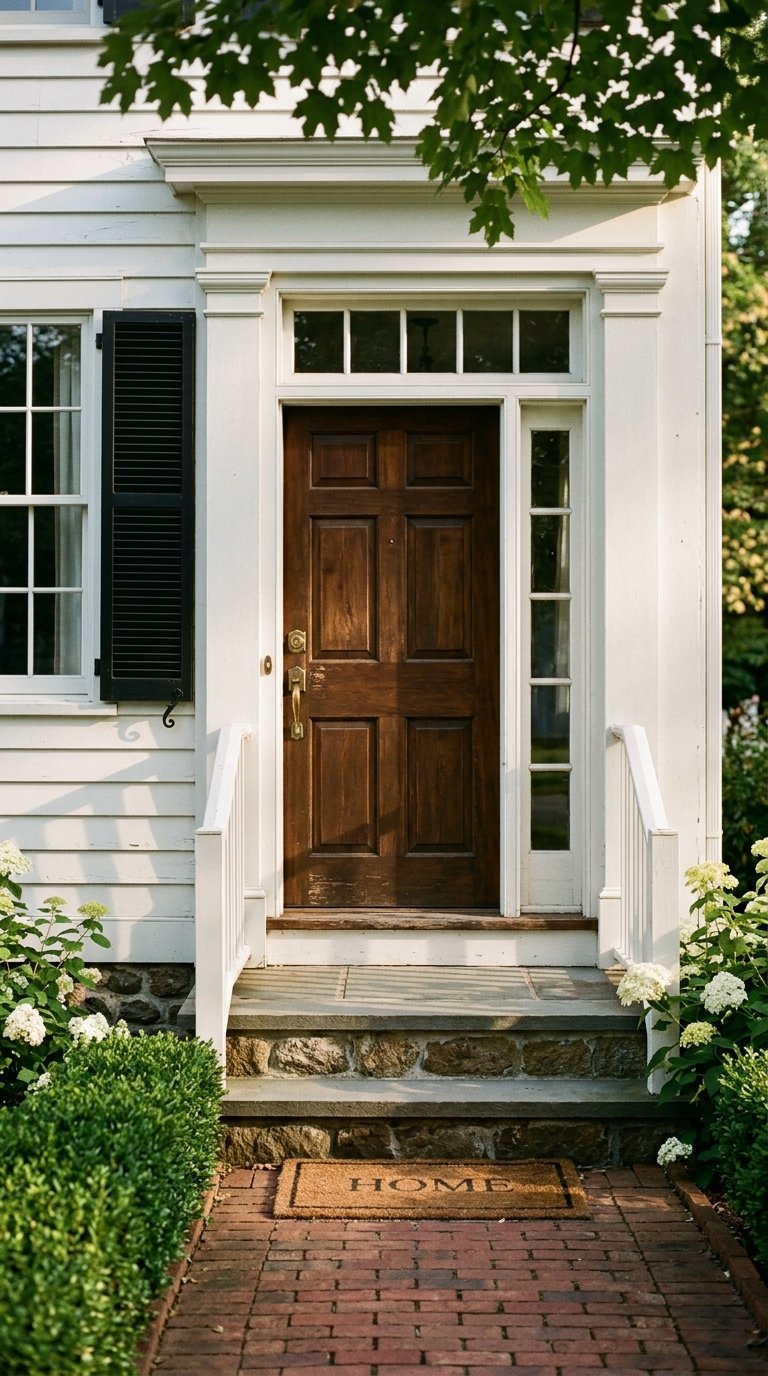
Your Guide to Buying Historic Homes in Katonah
April 16, 2026
April 16, 2026
If you are thinking about buying a historic home in Katonah, you are probably drawn to more than square footage. You may be looking for character, craftsmanship, and a sense of place that newer construction rarely matches. The good news is that Katonah offers exactly that, but historic homes also come with extra layers to understand before you buy. In this guide, you will learn what makes Katonah’s historic housing stock unique, which architectural styles you are likely to see, and what to watch for during inspections and renovation planning. Let’s dive in.
Katonah is not just a place with a few older houses scattered around town. According to the Town of Bedford’s historic preservation resources, its historic core is a rare surviving turn-of-the-century planned community. Many buildings in the area were built or moved to their current sites between 1885 and 1910, and the street plan was designed by the Olmsted brothers.
That history matters when you are house hunting. A historic home in Katonah may reflect more than one era of construction, with later additions, altered porches, or updated materials layered onto the original structure. The result can be charming and distinctive, but it also means no two homes are exactly alike.
The district’s National Register significance highlights architecture and landscape architecture, with Late Victorian and Queen Anne among the principal styles. For buyers, that translates into a market where visual character is often part of the value.
If you picture a classic historic Katonah home, there is a good chance you are imagining a Queen Anne or Late Victorian property. The Town of Bedford’s architectural style guide notes these styles as central to the district.
These homes often feature steep rooflines, decorative shingles, porches, bay windows, and sometimes towers or turrets. They can offer remarkable curb appeal, but they may also have intricate exterior details that require thoughtful maintenance over time.
Katonah’s historic housing stock is not limited to one look. Bedford’s local style guide also documents Second Empire, Italianate, Shingle Style, and Folk Victorian homes in the area.
For you as a buyer, this means you may see mansard roofs, bracketed cornices, broad shingled surfaces, or simpler Victorian-era forms with modest decorative trim. These differences can affect both aesthetics and maintenance needs, especially when it comes to roofs, siding, and exterior repair work.
You may also come across early 1900s homes with more symmetry and restraint. Bedford identifies Colonial Revival, Dutch Colonial Revival, and American Foursquare as important local forms.
These homes often have gambrel or hipped roofs, balanced facades, and classical porch details. If you want historic character with a somewhat simpler exterior profile, these styles may appeal to you.
Not every historic home in Katonah fits neatly into one category. Bedford also documents Craftsman, Tudor Revival, and eclectic combinations of styles locally.
That is especially useful to remember in Katonah because many properties have evolved over time. A house may have original historic bones with later additions or modifications that change how it lives today.
Historic homes can deliver beautiful millwork, generous porches, original windows, and details that are difficult to replicate. They can also come with a patchwork of updates from different decades.
Because many Katonah homes were relocated or altered over time, it is reasonable to expect mixed-age systems and materials. You may find an updated kitchen beside older framing, a newer addition attached to an earlier structure, or evidence that rooms were reconfigured long after the original construction.
This does not have to be a problem. It simply means your due diligence should go beyond surface-level charm.
For older and historic homes, moisture is one of the biggest risks. The National Park Service explains that water infiltration through roofs, gutters, flashing, and walls is among the most common causes of damage in historic structures.
When you tour a home, pay close attention to signs of deferred exterior maintenance. Even a small leak can lead to hidden rot, damaged finishes, or basement moisture.
Key items to review include:
Older homes often tell their story below grade. The National Park Service notes that ground moisture can lead to damp basements, staining, and ongoing water entry.
During inspections, look for dampness, musty odors, efflorescence, or visible staining on masonry. These issues do not always mean a deal-breaker, but they should be understood before closing.
If the home was built before 1978, the EPA says it may contain lead-based paint. This becomes especially important if you are planning renovations that disturb painted surfaces.
A historic house buyer should factor lead-safe practices into both project scope and budget. That can affect timeline, contractor selection, and how you plan future improvements.
The EPA also notes that you cannot identify asbestos-containing materials just by looking at them. If a material may be disturbed during remodeling, testing by a properly trained and accredited professional is the prudent next step.
This is another reason cosmetic renovation plans in older homes should be evaluated early. What looks simple at first can become more involved once materials and work practices are reviewed.
A general home inspection is a starting point, not always the finish line. If the inspection or seller disclosures raise concerns, it may make sense to bring in targeted specialists for roofing, moisture issues, hazardous materials, or energy performance.
Because Katonah’s historic district includes many homes that have been moved or altered, it is also smart to ask for permit history, renovation records, and documentation of prior exterior work. That extra paper trail can help you understand what was changed and whether approvals were obtained.
If you buy within the Katonah Historic District, exterior improvements may be subject to review by the Katonah Historic District Advisory Commission and Bedford’s preservation framework. Historic properties outside the district may also fall under review if they are classified by the town as Tier 1 or Tier 2.
This matters because even routine-looking exterior changes may involve more than a building permit. Depending on the project, you may also need planning, zoning, or wetlands approvals.
Bedford’s code explains that historic-review applications may require plans and project information. In some cases, the commission may hold a public hearing, and historic review is in addition to other required permits.
For you as a buyer, the practical takeaway is simple: build extra time into your renovation schedule. Historic homes can absolutely be improved, but the path is often more detailed than it would be for a non-historic property.
This point causes confusion for many buyers. The National Park Service states that National Register listing does not restrict what a private owner may do unless federal involvement applies, and New York State notes that listing does not directly change local zoning or property taxes.
In Katonah, local Bedford rules are what matter most for exterior changes. So if you are evaluating a house, it is important to understand both the property’s listing status and whether local historic controls apply.
Historic charm and energy performance do not always line up neatly. The U.S. Department of Energy and National Park Service guidance cited in the research both support a careful approach, especially since older homes often have less insulation and weatherization work can create unintended problems if not planned well.
That is why an energy audit can be useful before major efficiency upgrades. If you are buying an older Katonah home, you want improvements that respect the building’s materials and moisture behavior, not quick fixes that create new issues later.
Some buyers assume every historic home qualifies for tax benefits, but that is not the case. New York’s Historic Homeownership Rehabilitation Tax Credit Program is address-specific and comes with clear requirements.
The property must be owner-occupied, individually listed or a contributing building in a listed district, located in a qualifying census tract, and approved before work begins. The credit equals 20% of qualified rehabilitation expenses, with at least $5,000 in expenses and at least 5% spent on exterior work.
If a tax credit matters to your purchase decision, verify eligibility before you close and before you start renovations. It should never be treated as automatic.
Buying a historic home in Katonah can be deeply rewarding when you go in with a clear plan. The key is balancing emotion and due diligence.
A practical approach includes:
When you take these steps, you are better positioned to enjoy the character of the home without being surprised by avoidable issues later.
Katonah’s historic homes offer something genuinely hard to replace: architectural personality, a layered sense of history, and a connection to one of Bedford’s most distinctive places. If you want expert guidance as you evaluate historic properties in Katonah or elsewhere in northern Westchester, Marcie Nolletti offers the local insight and concierge-level support to help you move forward with confidence.
Marcie remains focused on the needs of her clients to deliver professional, knowledgeable, and dedicated service. Her goal is to be your Real Estate Professional for life. "Who you work with matters."
338 ROUTE 202
SOMERS NY 10589