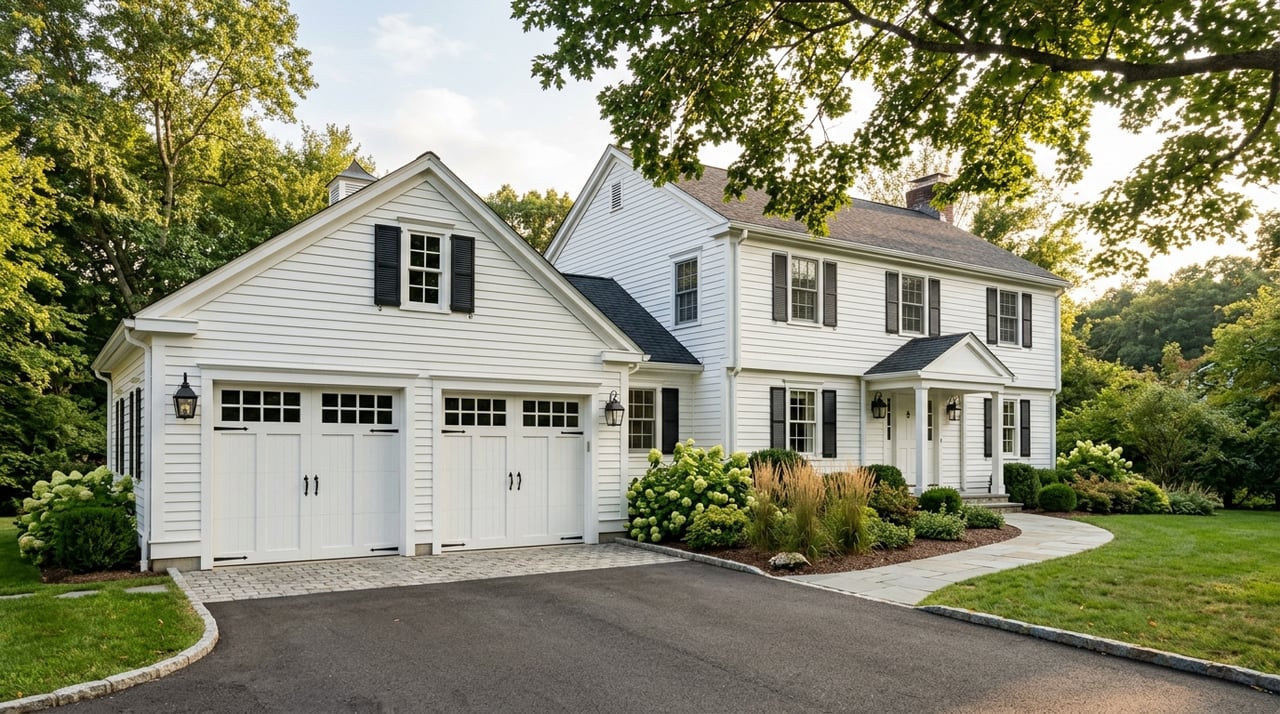
Katonah Village vs Country Living: Which Is Right?
July 23, 2026
July 23, 2026
Wondering whether Katonah feels more like a walkable village or a quiet country retreat? The truth is, it can be both. If you are trying to decide where you would feel most at home, understanding how daily life changes from the village center to the larger-parcel outskirts can help you make a smarter move. Let’s dive in.
Katonah has a distinct split personality in the best possible way. At its core, you have a compact historic village with a planned layout and a traditional downtown feel. Beyond that, you have broader residential roads, larger lots, and a more rural pattern shaped by Bedford’s long-standing land-use controls.
That contrast is rooted in local history and zoning. The current village was rebuilt in the late 1890s after the original settlement was relocated for New York City’s watershed expansion. Bedford also adopted strict zoning and land-use controls in 1984 to help protect rural character and limit overdevelopment.
A simple way to think about it is lot size. Bedford’s residential zoning ranges from 10,000-square-foot lots to 4-acre lots, which gives you a practical snapshot of the difference between village-scale living and estate-scale living.
If you picture a home where you can step out and feel connected to a compact downtown, village living may be the better fit. Katonah’s village center is known for its historic character, close-knit streetscape, and access to daily conveniences.
The Katonah Historic District is recognized by the town as a rare turn-of-the-century planned community. It is often called the village that moved, and many of its buildings were constructed or relocated between 1885 and 1910.
Queen Anne architecture is common in the district, which adds to the area’s distinct visual identity. The district was added to the New York State and National Registers of Historic Places in 1983, reinforcing the significance of its built environment.
Downtown Katonah includes eateries, cafés, food shops, shopping, and services. That cluster of businesses is one reason many buyers are drawn to village living. Your day-to-day routine can feel more walkable when errands, coffee, or a casual meal are close by.
For some buyers, that convenience matters as much as the house itself. If you prefer a lower-land, lower-maintenance setup with nearby amenities, the village can offer a practical lifestyle match.
Commuters often look closely at Katonah Train Station. The Town of Bedford says three lots serve the station, with a mix of public daily parking, permit parking, and time-based restrictions.
Current town rules include Lot #3 for daily parking, while Lots #1 and #2 have time-based restrictions. There are also overnight limits in Lot #3, so it helps to understand the parking setup before you rely on it as part of your weekly routine.
One important trade-off in the village is preservation oversight. If a home is within the Katonah Historic District, visible exterior improvements may need review by the Katonah Historic District Advisory Commission.
That does not mean you cannot make changes. It does mean you should factor review timing and design considerations into your renovation plans, especially if preserving exterior character is part of the process.
If your ideal home includes more land, more privacy, and a quieter setting, the country-estate side of Katonah may feel like a better fit. This part of the market appeals to buyers who want breathing room and a more rural everyday rhythm.
Bedford’s planning documents describe Katonah’s residential neighborhoods extending west and south, within a town landscape that includes major estates and horse farms. That broader setting supports a very different feel from the village core.
On the larger-parcel side of Katonah, buyers are more likely to prioritize acreage, a long driveway, and space for outdoor uses. That expectation is tied to the town’s acreage-based zoning, rural-character policies, and horse-trail culture, though not every property will include all of those features.
Bedford’s horse-trail system runs through pastures, farms, woods, backyards, and dirt roads. That says a lot about the area’s landscape and lifestyle. For buyers drawn to country living, that setting can be a major part of the appeal.
This is especially relevant if you are looking for a property that feels separate from the pace of downtown. Estate buyers often value the sense of space just as much as the home itself.
Outside the village core, architectural styles are more varied. Bedford’s architectural styles resources show vernacular farmhouses, Colonial Revival homes, and modern or mid-century examples across the broader town.
That wider mix can be appealing if you want flexibility in style. In contrast, the village center tends to have a more unified historic look and feel.
Choosing between village living and an estate setting usually comes down to how you want your everyday life to work. Both options can be appealing, but they support different routines.
Village living usually means closer neighbors, easier access to shops, and quicker connections to the train. Estate living usually means more separation, more land, and a more car-dependent pattern.
Neither option is better across the board. The better choice depends on whether you value immediate convenience or a greater sense of privacy and space.
A smaller village lot often means less land to manage. On a larger parcel, routine upkeep can increase, especially when it comes to lawn care, driveway maintenance, and snow removal.
That is an important quality-of-life issue to think through early. A beautiful property can feel very different once you factor in the time and effort needed to maintain it.
In the village, public station parking may become part of your regular commute strategy. On an estate property, parking is more likely to be on-site, but driving becomes a bigger part of shopping, dining, and transportation patterns.
That shift may feel natural to some buyers and inconvenient to others. It helps to picture your real weekly routine, not just your ideal one.
If you love updating homes, location matters. In the historic district, visible exterior changes may require review, while homes outside the district may involve fewer preservation-related steps, though town code and permitting still apply.
For buyers with a strong renovation vision, this can be a deciding factor. It is worth matching your design goals to the property setting from the start.
If you want a walkable setting, historic streetscape, and easy access to downtown businesses and the train, village living may be your strongest match. It can be especially appealing if you want less land to manage and enjoy being close to the center of town.
If you want acreage, privacy, and a more rural setting, the estate side of Katonah may be the better choice. That lifestyle often suits buyers who are comfortable with a more car-dependent routine and who value land, separation, or room for outdoor uses.
The key is to focus on how you want to live every day. When you compare village and estate properties through that lens, the right fit usually becomes much clearer.
Whether you are looking for a historic in-town home or a larger property with privacy and space, working with a local advisor can make the search more focused and less stressful. If you want personalized guidance on Katonah homes and lifestyle fit, connect with Marcie Nolletti.
Marcie remains focused on the needs of her clients to deliver professional, knowledgeable, and dedicated service. Her goal is to be your Real Estate Professional for life. "Who you work with matters."
338 ROUTE 202
SOMERS NY 10589