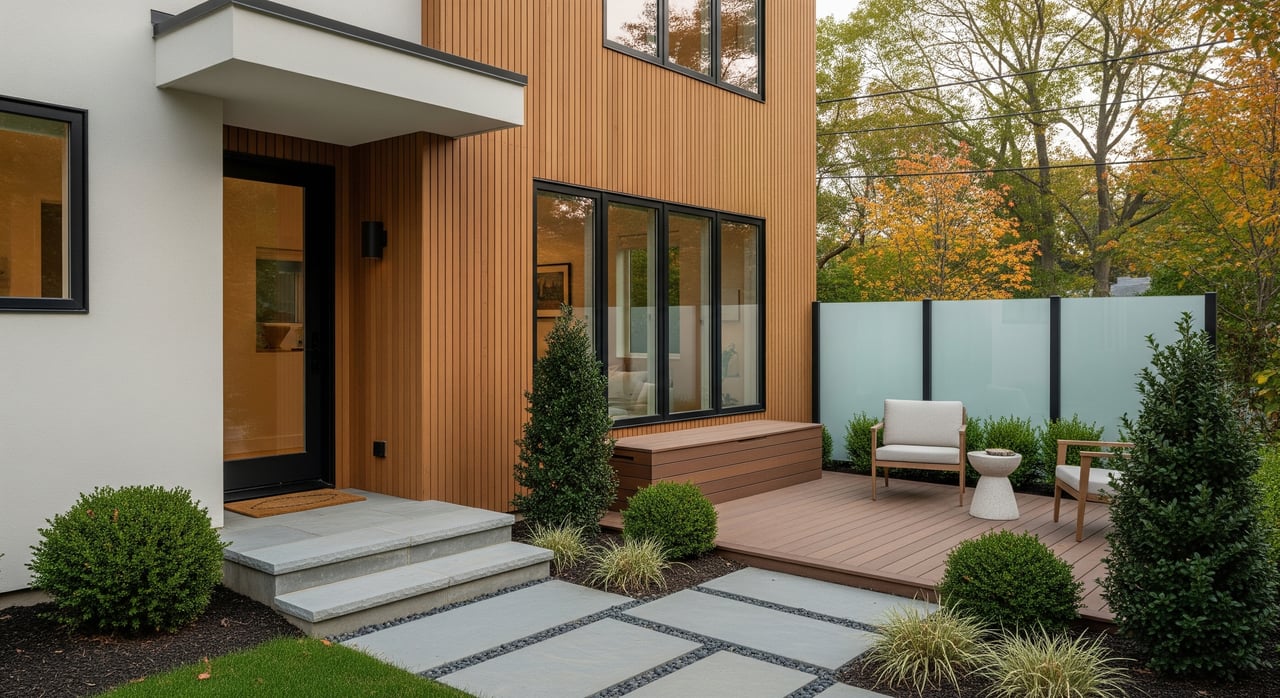
Downsizing Chappaqua Homes: Low‑Maintenance Living
January 15, 2026
January 15, 2026
Thinking about simplifying your home life without giving up comfort or convenience? If you love the idea of being close to the train, shops, and healthcare while trimming your to‑do list, downsizing in Chappaqua could be a smart move. In this guide, you’ll compare low‑maintenance options, learn what to look for in HOA documents, and see how transit and resale factor into your decision. Let’s dive in.
Chappaqua sits in the Town of New Castle in northern Westchester, a commuter-friendly suburb with a Metro‑North Harlem Line stop at the Chappaqua station. The village center offers everyday conveniences, dining, and services in a compact, walkable setting. Healthcare access is robust, with Northern Westchester Hospital in nearby Mount Kisco. For planning or permit questions as you evaluate options, the Town of New Castle is your local point of reference.
If you’re rightsizing from a larger property, you’ll find a mix of condos, townhomes, and single‑family homes configured for main‑level living. Many buyers prioritize being close to the train or having garage parking, along with easy access to groceries, pharmacies, and fitness. Families researching local education can explore the Chappaqua Central School District for district information and services.
With condos, you typically own the interior of your unit while the association oversees building exteriors and common areas. That often means the HOA handles landscaping, snow removal, and roof or siding projects, which reduces day‑to‑day chores. Condos around village edges or transit nodes can offer elevator access and walkability.
Pros include minimal yard work, on‑site amenities, and proximity to shops and the train. Consider the tradeoffs: monthly HOA fees, potential special assessments, and rules on renovations, pets, or rentals. Before you buy, review the declaration and bylaws, recent meeting minutes, reserve fund statements, and the master insurance policy details.
Townhomes offer a single‑family feel with shared walls and, often, an HOA that covers exterior items like roofs, siding, snow, and landscaping. You may enjoy a private entry, garage parking, and a small patio or yard without the upkeep of a larger lot. This can be a good midpoint between condo convenience and single‑family autonomy.
Be sure to weigh stairs and mobility considerations since many townhomes are multi‑level. Confirm exactly what the HOA maintains and what remains your responsibility, including driveways, decks or patios, and interior systems. As with condos, review the community’s financials, reserve studies, and any planned capital projects.
If you prefer privacy and full control, focus on single‑family homes with main‑level living. Look for a primary suite, a full bath, and laundry on the entry level, plus an attached garage for ease. Ranch and bungalow layouts are popular, as are homes with first‑floor suites and smaller, low‑upkeep lots.
While you’ll handle exterior care, you can still simplify by choosing low‑maintenance landscaping and contracting for lawn, snow, and seasonal upkeep. The tradeoff is higher involvement compared to condos or townhomes, along with property taxes that vary by property. In return, you keep flexibility for updates and may capture broader resale appeal.
Age‑restricted communities are limited within New Castle compared with larger suburban markets. If you are considering an accessory dwelling unit for multigenerational living or occasional rental income, confirm what is allowed locally. Start with the Town of New Castle for zoning and permit guidance before moving forward.
For many downsizers, proximity to the Harlem Line is a key quality‑of‑life and resale factor. Test your commute or occasional trips by visiting the Chappaqua station page and reviewing peak schedules. If you plan to drive to the station, check parking availability, permits, and guest parking policies in your community.
Use this quick services checklist when you tour:
Small differences in micro‑neighborhoods can impact daily convenience and long‑term value. Homes close to the village core or with reliable access to the train often attract a wide buyer pool at resale.
Westchester County property taxes are an important part of your monthly budget. Smaller homes can reduce your total tax bill, but always compare taxes alongside HOA dues if you’re evaluating condos or townhomes. For county tax resources and assessments, see Westchester County property tax information.
For HOA communities, analyze what the monthly fee covers and how healthy the reserves are. Strong reserves help fund big-ticket projects like roof replacements without frequent special assessments. Confirm master insurance coverage and any deductibles that affect owners, then coordinate your own HO‑6 or homeowner policy accordingly.
When comparing options, look at total cost of ownership: mortgage, taxes, HOA dues, utilities, insurance, and any outsourced services like landscaping or snow contracts. A clear, apples‑to‑apples view helps you balance convenience with long‑term affordability.
In a competitive commuter market, features that support comfort and convenience tend to drive demand. Keep these priorities in mind as you search and plan updates:
These elements appeal to a broad mix of buyers, including rightsizers, professionals, and households planning for long‑term ease of use.
Use this simple framework to clarify must‑haves and tradeoffs:
Essentials
Nice to have
Deal breakers
When you are ready to compare specific homes, a local advisor can help you weigh HOA documents, test commute options, and model total ownership costs. If you want a tailored search that fits your lifestyle and timing, reach out to Marcie Nolletti for concierge‑level guidance.
Marcie remains focused on the needs of her clients to deliver professional, knowledgeable, and dedicated service. Her goal is to be your Real Estate Professional for life. "Who you work with matters."
338 ROUTE 202
SOMERS NY 10589