Brewster NY Commuter Homes: Is Brewster Right for You?
May 28, 2026
May 28, 2026
Wondering if you can get more home for your money without giving up a workable NYC commute? If that question has brought Brewster onto your radar, you are not alone. For many buyers, Brewster offers a practical middle ground between access to Grand Central, commuter infrastructure, and a lower cost profile than many nearby Westchester towns. Let’s dive in.
Brewster is a small village within the Town of Southeast in Putnam County, and its size is part of the appeal. The village covers about 0.5 square miles and includes a walkable mix of commercial spaces, restaurants, a museum, a library, and the Metro-North station. If you want a commuter location that feels more like a compact village than a spread-out suburb, Brewster stands out.
That setting can be especially appealing if your workweek still depends on New York City, but your housing search has expanded north in search of value. Rather than paying Westchester-level pricing for a similar commute pattern, you may find Brewster gives you a different balance of budget, access, and day-to-day convenience.
For many NYC buyers, the first question is simple: can you get to Grand Central directly? Yes. Brewster is on the Metro-North Harlem Line, and the current timetable effective March 29, 2026 shows direct service to Grand Central.
Weekday morning trips from Brewster reach Grand Central in about 52 to 76 minutes, depending on the train and stop pattern. That is not the shortest commute in the broader suburban market, but it is very much within range for buyers who prioritize a direct rail option and are comfortable with about an hour, give or take, each way.
If your schedule is flexible, fare timing also matters. Metro-North peak fares apply on weekday trains scheduled to arrive at NYC terminals between 6 a.m. and 10 a.m., and on weekday departures from Grand Central between 6 a.m. and 9 a.m. Off-peak fares apply at other times on weekdays, as well as all day on weekends and holidays.
Brewster tends to make the most sense for commuters who do not need the shortest possible ride. If you are willing to accept a somewhat longer trip in exchange for lower housing costs and a village-centered setting, Brewster becomes much more compelling.
It can also be a strong fit if you split time between home and office. A hybrid work schedule may make the longer rail ride feel easier to manage, especially when the tradeoff is broader budget flexibility.
A good commuter town is not just about the train schedule. It is also about how easily you can get to the platform. In Brewster, station access is a real part of the value proposition.
The Brewster station is accessible and includes elevators, tactile warning strips, audiovisual passenger information, two ticket machines, restrooms, and connecting transit options. There is no ticket office, so many riders rely on machines or mobile trip planning.
Parking is one of the more important practical details to understand before you buy. The Brewster Metro-North station area has 458 total commuter parking spaces, and both a fee and a permit are required.
Nearby, the Southeast station area expands your options. The Town of Southeast lists 642 commuter spaces there, including 576 permit spaces, 43 pay-by-phone spaces, 23 handicap spaces, and 4 EV charging spaces. The town also notes that nights after 4:30 p.m., weekends, and holidays are free at the town lot, and that the Gold Lot in the village has 32 permit spaces.
Brewster also has transit connections that can help some commuters reduce driving. The station connects to HARTransit's Danbury-Brewster Shuttle and PART, and Putnam County lists PART Route 1 serving Brewster and Putnam Lake.
The Danbury-Brewster Shuttle is a weekday-only connection between Brewster station and Danbury-area park-and-ride lots. Metro-North says the shuttle is timed to connect with trains to and from Grand Central, does not run on weekends, and offers a monthly UniTicket option for rail-plus-shuttle riders.
For many buyers, this is where Brewster gets especially interesting. Census data for the Town of Southeast shows a median owner-occupied home value of $446,900. That does not tell you what every listing will cost, but it gives a useful snapshot of the broader local market.
When you compare that figure with nearby Westchester towns, Brewster's position becomes clearer. Yorktown comes in at $606,800, Somers at $646,000, North Salem at $670,600, Lewisboro at $820,900, Bedford at $938,800, and New Castle at $1,038,800.
Those numbers are median owner values, not active list prices, so they are best used directionally. Even so, they support the same conclusion many buyers reach quickly: Brewster generally offers a lower entry point than many nearby Westchester commuter communities.
Putnam County overall is also slightly higher than Southeast at $471,300. That places Brewster on the more affordable end of its immediate commuter market, which can matter if you are trying to balance monthly cost, property type, and commute tolerance.
Brewster is not trying to be a sprawling subdivision market. The village was incorporated in 1894, and planning documents point to a compact downtown setting with limited undeveloped land. Recent residential activity has included both single-family and multi-family permits, including a 12-unit multifamily dwelling at 530 North Main Street.
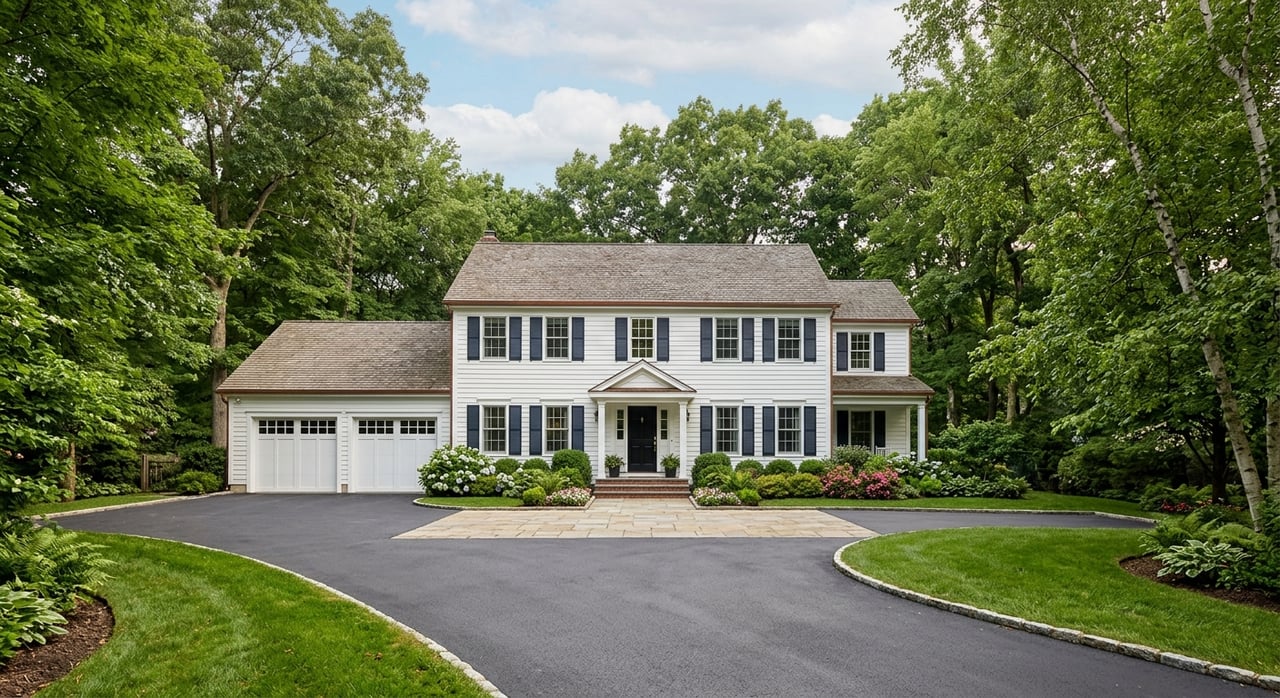
Taken together, that suggests a more established, village-scale housing pattern. If you are picturing older homes, a smaller-footprint downtown, and a commuter-oriented layout rather than large newer neighborhoods, that is a more accurate mental model.
This matters because the right move is not just about price. It is also about fit. Some buyers want privacy, larger lots, and a more spread-out suburban environment. Others prefer a compact village with train access and local amenities close by.
Brewster can be a smart move if your priorities look like this:
For buyers in this category, Brewster often checks the boxes that matter most. It creates room to think more strategically about what you can buy, how you want to live, and what compromises actually feel worthwhile.
Brewster may be less compelling if your top priority is the shortest possible commute into Manhattan. In that case, you may prefer to focus on towns farther south.
It may also be less aligned if you are looking specifically for a larger-lot suburban environment or a particular Westchester address. Brewster offers a different kind of commuter lifestyle, and for some buyers that difference is a plus. For others, it may feel like too much of a tradeoff.
So, is Brewster a smart move for NYC commuters? In many cases, yes. If you are willing to trade a longer Harlem Line ride for lower housing costs, commuter parking options, and a compact Putnam County village setting, Brewster deserves a serious look.
The key is to evaluate Brewster through your own priorities. Commute time, monthly cost, home style, and daily logistics all matter. When you line those up honestly, Brewster often emerges as a practical and appealing option for buyers who want more value without losing access to the city.
If you are comparing Brewster with nearby Westchester and Putnam communities, working with a broker who understands the tradeoffs can save you time and help you focus on the right fit. If you are ready to explore your options, connect with Marcie Nolletti for thoughtful, concierge-level guidance tailored to your move.
Marcie remains focused on the needs of her clients to deliver professional, knowledgeable, and dedicated service. Her goal is to be your Real Estate Professional for life. "Who you work with matters."
338 ROUTE 202
SOMERS NY 10589