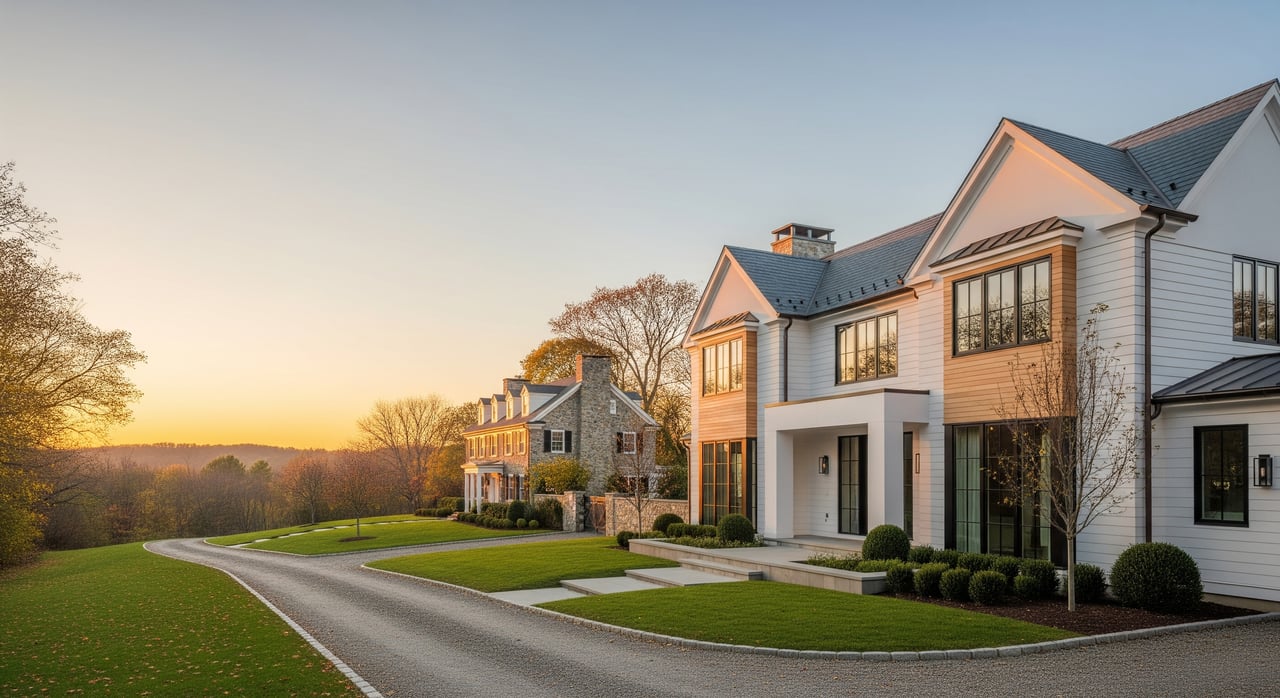
New Construction vs. Resale Homes in Somers, NY
January 1, 2026
January 1, 2026
Thinking about buying in Somers and torn between a shiny new build and the charm of a resale home? You’re not alone. The choice affects your budget, timeline, maintenance, and even commute routine. In this guide, you’ll learn the real-world tradeoffs for Somers buyers so you can move forward with confidence. Let’s dive in.
Somers sits in northern Westchester, where you’ll find larger lots, a mix of newer subdivisions, and established neighborhoods with mature landscaping. The town’s commuting setup matters. Many residents drive to nearby Metro-North stations or connect to I-684 and local highways, so proximity to commuter routes can influence value.
Westchester’s market is high priced compared to state and national medians and often short on resale inventory. Low inventory has encouraged more local new-home development in parts of the region. Buyers also weigh Westchester property taxes and Somers Central School District boundaries when assessing the total cost of ownership.
With new construction, the base price typically includes the shell and a set of standard finishes. Builder options for kitchens, flooring, HVAC, and site work can add up quickly. It’s common for options and upgrades to add 10–30% or more to the base price depending on scope.
Newly built homes are assessed after completion, which can increase annual property taxes. Some subdivisions include HOA fees for private roads or amenities. You may see lower near-term maintenance and energy costs thanks to modern systems and insulation, though fuel source and equipment type will affect actual bills.
Resale prices reflect location, lot size, proximity to amenities and commuter access, and the home’s current condition. Homes in desirable pockets can command premiums. You should also plan for potential updates within a few years, such as roof, mechanical systems, kitchens, or baths.
Property taxes on resales are usually anchored to existing assessments, and tax histories are available to review. Depending on timing and value, assessment appeals may be possible. Any renovation budget should include a cushion for surprises uncovered during inspections.
New homes often see assessments rise post-build, and some developments include HOA fees. Resales provide a clearer tax history, which helps with budgeting. For utilities, newer systems can be more efficient, but actual operating costs depend on home size, insulation, and heating/cooling type.
Many Somers properties rely on on-site septic and well systems. For new builds, septic and well approvals go through county health authorities and can add time and cost. For resales, the condition, capacity, and maintenance history of septic and well systems are critical. Expanding bedroom count or renovating may require septic upgrades, so confirm feasibility early.
New builds let you select finishes, layouts, and systems within the builder’s offerings. You can integrate modern HVAC, open floor plans, and energy-efficient features from the start. Keep in mind that while the choices are appealing, builder markups apply and some options have longer lead times.
Resales can offer unique period details, mature trees, and immediate occupancy. You can renovate to achieve a custom look, but you’ll manage contractors, permits, and timelines separately. If you value location and lot character over turnkey finishes, a resale may align better.
Municipal inspectors review work during construction and issue a Certificate of Occupancy before you move in. Even so, hire an independent inspector for a pre-drywall review, mechanical check, and final walkthrough. Confirm septic and well approvals, grading and drainage plans, and any HOA rules.
Review the builder’s contract carefully. Some agreements limit inspection windows and change-order rights. Ask for full specifications, allowance sheets, an itemized upgrade list, and a sample closeout checklist before you sign.
Schedule a standard home inspection during your contingency period, typically within 7–14 days after contract. Specialist inspections are common in northern Westchester: septic, chimney, roof, structural, pest, and environmental as needed. Use findings to negotiate repairs, credits, or price.
Industry groups such as the American Society of Home Inspectors recommend independent inspections for both new and existing homes, and a thorough pre-closing walkthrough.
New construction commonly follows a “1-2-10” warranty model. Workmanship items are often covered for one year, certain systems for two years, and major structural defects for ten years. These warranties vary by builder, so review inclusions, exclusions, and the claim process.
For resales, there is no new-home structural warranty. Some buyers or sellers add a third-party home warranty for the first year to cover appliances and systems. Manufacturer warranties on appliances or equipment in either case are separate and may require registration.
If the home is a completed spec, you might close in 30–90 days. For production or semi-custom builds, a 3–9 month timeline from foundation to Certificate of Occupancy is typical, with custom projects running 9–18 months or more. Permits, weather, material lead times, and subcontractor schedules can extend timelines. Plan for contingencies in your contract.
Most resale transactions close within 30–60 days after contract, depending on financing. Cash purchases can move faster. Inspection, appraisal, and mortgage contingencies set the pace and define your key milestones.
New construction in Somers often appears on subdivided agricultural or vacant parcels along the town’s edges, plus small infill subdivisions with a few floor plans. These lots can offer more privacy and larger yards, though landscaping may be younger.
Resales are common in established neighborhoods closer to town amenities and commuter routes. You’ll see mature trees, established driveways, and older infrastructure. Some buyers prioritize these locations and then renovate to modernize.
Choose new construction if you want modern systems, the ability to personalize, and lower near-term maintenance, and you can absorb upgrade costs and a longer build timeline. This path suits buyers who value efficiency and are flexible on location within town boundaries.
Choose a resale if you favor established neighborhoods, commute convenience, and mature landscaping, and you’re ready to budget for updates. This path suits buyers who prioritize location and timing, and who may prefer to renovate over time.
Whichever route you choose, strong due diligence reduces risk. Independent inspections, clear documentation, and early checks on septic, permits, and taxes will help you avoid surprises and keep your move on track.
Ready to weigh options in the Somers area with a local expert at your side? Reach out to Marcie Nolletti for concierge guidance, neighborhood insight, and a streamlined path to the right home.
Marcie remains focused on the needs of her clients to deliver professional, knowledgeable, and dedicated service. Her goal is to be your Real Estate Professional for life. "Who you work with matters."
338 ROUTE 202
SOMERS NY 10589